The average consumer will likely consider a variety of factors (such as range, price, and recharge time) when choosing between an electric vehicle (EV) and a solar storage unit in 2026. However, consumers generally do not consider which type of lithium-ion (Li-ion) battery is installed in either product, but the type of lithium-ion battery has a direct relation to both the longevity and performance of the product.
With EV usage on the rise and growing availability in India, the new and existing types of Lithium-Ion Batteries will continue to be more relevant to purchasers and users of EVs in India as compared to before EVs were available in India.
What Is A Lithium-Ion Battery?
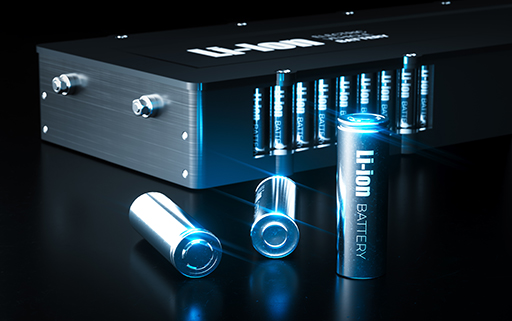
Li-ion batteries are rechargeable batteries that can be used for EVs, solar battery backup systems from solar PV installations and other portable and stationary electronic devices that require recharging.
Li-ion batteries enable users to recharge a battery and use that same battery as an energy source for as long as the user desires.
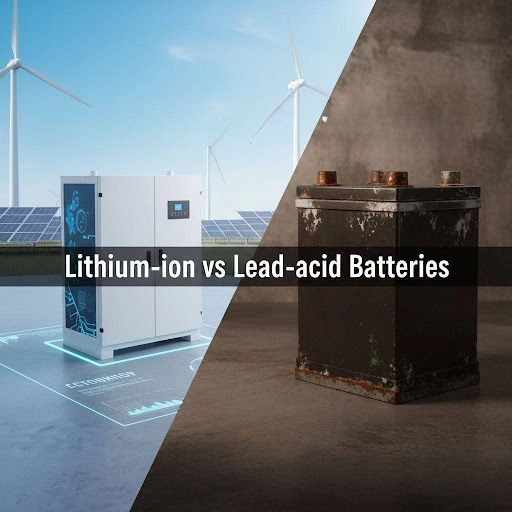
In general, Li-ion batteries will have improved overall performance characteristics compared to previous generations of battery technologies (e.g. lead acid) as a result of their reduced weight, longer battery life, and greater energy density, therefore allowing them to be utilised in all types of new EVs and solar power systems in 2026.
Basic Definitions
Energy density - The total amount of energy that can be contained within a battery of a given size. Energy density relates both to range and battery size (i.e., higher density = greater range, smaller battery).
Total Charge Cycle Life - The cumulative number of charge cycles that one battery will go through before showing noticeable capacity degradation (e.g., NMC battery EVs).
Thermal Stability - This is a measure of how much heat a battery can generate and, therefore, how likely it is to cause overheating of adjacent components; this characteristic should be considered when discussing batteries in India.
NMC Li-Ion Cell
NMC Battery Electric Vehicles - NMC batteries are generally utilized as energy sources for all electric vehicles intended for use in passenger transport applications where there are.
Advantages - High energy density and low relative cost per use Currently, most are sold in India with NMC battery technology.
Disadvantages - All NMC batteries contain a quantity of cobalt in their construction. Due to the rapidly increasing price of cobalt, as well as a potential future supply issue, this characteristic alone makes it a concern.
Both types of batteries are well established in today's market and will accurately represent the two leading battery technologies in the next four years.
The differences between these two battery technologies generally correlate to the maximum range an EV can support, as well as their respective performance. However, in the area of normal, safe and repeatable charge cycle characteristics, and therefore provide.
LFP Battery (Li+FePO4)
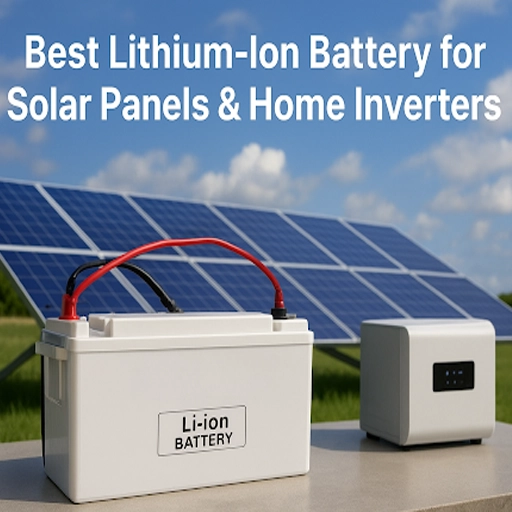
Currently, the majority of solar battery storage batteries in India utilise LFP technology.
Applications: Large PV (Photovoltaic) systems located on rooftops; electric vehicle fleets; commercial applications.
Advantages - While LFP (Lithium Iron Phosphate) batteries are suggested as a good battery technology for solar PV (Photovoltaic) energy storage systems , they are both inexpensive and safe due to their long life span and performance in high-temperature situations.
Disadvantages - LFP batteries' main disadvantage is that, compared to NMC (Lithium Nickel Manganese Cobalt) batteries, they do not deliver as much power, resulting in comparatively larger sizes.
It is expected that by 2026, LFP batteries will be used most frequently for residential and commercial stationary energy storage applications within India.
LTO (Lithium Titanate Oxide)
LTO batteries are designed for fast charging through rugged construction.
LTO batteries can be most utilised with:
- Transit bus applications
- Heavy commercial vehicle applications
- Very fast charging systems
Advantages - Key benefits of LTO batteries include a fast charging time, long life expectancy compared to other batteries, and outstanding performance in high-temperature applications.
Disadvantages - The major disadvantages of LTO batteries include the high cost of the batteries, the large physical dimensions of the batteries, and low power density when compared to other batteries.
LTO batteries will, therefore, typically only be found in very fast-charging application locations.
Brief Summary of LCO, LMO, and NCA
LCO batteries (Lithium Cobalt Oxide) can be found in mobile phones and laptops due to the high energy density of these batteries, with little to no risk for fires; however, they cannot be used to store large amounts of energy safely (large energy storage). Types of Lithium-Ion Batteries
LMO (Lithium Manganese Oxide) – Used in electric bicycles and other power tools due to their superior thermal characteristics vs. LCO.
NCA (Nickel Cobalt Aluminium Oxide) – Used to power electric vehicles because they are high-capacity but are less stable than LFP batteries when compared to longer life.
Solid-State Battery Technology - What Is Available in the Future?
In 2026, solid-state battery technology will still be very small compared to traditional liquid batteries (lithium-ion battery technology).
Solid-state lithium-ion technology will replace the liquid electrolyte with a solid-state electrolyte, increasing safety and providing more energy density than the liquid.
At this time, solid-state batteries are still only prototypes and will not be used in either electric vehicles or solar photovoltaic systems. During the rest of the current decade, solid-state batteries will likely be widely adopted; by this time, they should provide electric vehicles with longer range capabilities and lower accident rates.
Summary of Batteries Used in Electric Vehicles and Photovoltaics
|
Use Case |
Battery Type |
|
Mainstream EV Usage |
NMC/LFP |
| Solar Roof PV System
|
LFP |
|
Commercial Fleet (Electric Buses) |
LFP |
|
High-Speed Charging |
LTO |
|
Electric Bikes |
LMO/LFP |
|
Portable Electronics |
LCO |
Conclusion
Second in the decision process for EV/PV installation in 2026, after the choice of an electric vehicle or solar photovoltaic system, is the choice of battery type. The battery type will have a major influence on the total cost of ownership of an electric vehicle/photovoltaic system, whether the battery is NMC or LFP.
Waaree Tech manufactures and sells lithium-ion batteries that have been built for the extreme heat, cycle and longevity of India.
FAQs
- 1. What types of lithium-ion batteries are there?
Common types of lithium-ion batteries include NMC, LFP, LTO, LCO, LMO, and NCA.
- 2. What is the best EV battery for Indian conditions?
For long-distance EV usage, NMC and LFP batteries are commonly preferred. LFP batteries are especially valued for their safety, reliability, and long-term durability in Indian conditions.
- 3. Why are LFP batteries the most frequently used in photovoltaic energy storage systems?
LFP batteries are widely used in photovoltaic energy storage systems because they offer strong thermal stability, long life, and reliable performance under daily charging cycles.
- 4. Are LTO batteries found in electric vehicles?
LTO batteries are not commonly used in standard electric vehicles, but they are sometimes used in city transit buses and commercial fleet EVs that require extremely fast charging.
- 5. When will solid-state batteries be available for mass-market use?
Solid-state battery technology is still under development and is not yet widely available for mass-market use.
6 Factors Influencing the Longevity of Lithium-ion Batteries
Previous Blog



Blog Comment Form